How Soil Types In Gladstone Affect Your Earthworks Project
Soil is the foundation of every excavation project, and understanding it can shape how smoothly your plans unfold. Before machinery arrives on site, the ground itself determines what is possible. When it comes to earthworks, Gladstone soil conditions vary more than many people realise, and these variations influence timelines, machinery selection, and the overall excavation approach. A solid understanding of how different soils behave can help you make informed decisions and avoid delays during earthmoving in Gladstone.
Some soils shift easily, others compact tightly, and some hold moisture longer than expected. Each category requires a tailored approach for excavation and site preparation. That is why soil assessment is one of the most important early steps in planning any earthworks project. When you know the conditions beneath the surface, you can prepare confidently and set up your project for a smoother outcome.
The Influence of Clay Rich Soil on Excavation Decisions
Clay rich soil can be challenging because its behaviour changes significantly with moisture. When dry it becomes dense and difficult to penetrate. When wet it can feel heavy and sticky, which slows machinery and affects traction. This dual nature influences earthmoving in Gladstone projects and often requires well timed scheduling around weather patterns.
Clay also affects compaction. It may need specific moisture levels to achieve stable results, which means the excavation team must assess its condition before choosing machinery or planning cut and fill work.
Important considerations include:
- Clay retains moisture, which influences machinery performance
- Excavation may require staged or gradual removal
- Compaction depends heavily on controlled moisture levels
- Drainage planning becomes a higher priority
- Machinery choices may shift based on soil density
How Sandy Soil Shapes the Way Your Project Moves Forward
Sandy soil behaves very differently. It drains quickly, shifts easily, and generally allows for faster excavation. However, rapid shifting also means it can collapse unexpectedly if left unsupported. This makes stability an important factor when planning structural earthworks.
For earthworks on Gladstone sites with sandy soil, the focus often shifts to reinforcement and controlled excavation angles. Sandy profiles also influence how stockpiles are managed, since loose material can disperse under pressure.
Important considerations include:
- Sand moves easily during excavation
- Trenches may require extra stability and reinforcement
- Rapid drainage affects compaction outcomes
- Machinery may need to operate at lower speeds for safety
- Loose material requires careful stockpile management
Why Loam Based Soil Is Often More Predictable to Work With
Loam, which contains a balanced mix of sand, silt, and clay, is considered one of the more workable soil types for excavation. It holds shape well, responds steadily to compaction, and generally provides a supportive base for pads, drainage installations, or levelling work.
Loam’s balance makes it a preferred soil for many earthmoving in Gladstone projects because its behaviour is easier to predict.
Important considerations include:
- Loam provides dependable support during excavation
- It compacts consistently across most moisture levels
- Drainage performance is usually steady
- Machinery can operate efficiently on this soil type
- It is suitable for pads, footings, and general preparation work
When Silt Becomes a Challenge During Earthmoving Work
Silt is one of the more unpredictable soil types. When dry it feels soft and powdery, but once moisture is introduced it becomes unstable and loses strength quickly. This reaction means excavation must be planned carefully to avoid collapsing edges or unstable surfaces.
For earthworks in Gladstone that involve silt, moisture control and excavation angles become essential considerations.
Important considerations include:
- Silt loses strength when exposed to moisture
- Excavation angles may require modification
- Poor stability may slow earthmoving progress
- Machinery can lose traction if the soil becomes saturated
- Soil tests often guide the excavation strategy
Managing Mixed Soil Profiles During Excavation
Many sites include more than one soil type. A site may begin with sandy topsoil before transitioning into clay, silt, or firmer layers below. These changes influence how excavation progresses and may require different machinery or a shift in strategy mid project.
Mixed soil profiles are common across earthworks in Gladstone and highlight the importance of a detailed site assessment before work begins.
Important considerations include:
- Machinery may need to change as soil layers shift
- Cut and fill levels may adjust depending on material strength
- Soil segregation may be required for later use on site
- Compaction rates differ between soil types
- Drainage strategies may evolve as excavation progresses
How Moisture Levels Can Affect Excavation Workflow
Moisture has a major influence on soil structure and must be considered before any earthmoving in Gladstone begins. Too much moisture in clay can slow excavation significantly, while too little moisture in sand can increase the risk of collapse. Moisture levels also influence compaction results, which affects structural preparation.
A well-planned earthworks project includes moisture assessment and may require staging the excavation to align with weather conditions.
Important considerations include:
- Moisture changes the stability and structure of soil
- Weather forecasting helps with planning excavation windows
- Compaction results depend on optimal moisture ranges
- Excavation angles may need adjustment in wet conditions
- Early drainage solutions may support workflow
Why Soil Testing Supports More Reliable Earthworks Outcomes
Soil testing provides valuable data about the site before excavation begins. This includes moisture content, density, particle structure and load-bearing capacity. These details guide decisions about earthworks equipment, excavation depth, and compaction requirements.
For earthworks in Gladstone, soil testing supports a more predictable workflow by removing guesswork and helping teams prepare for expected challenges.
Important considerations include:
- Soil tests identify composition and structural limits
- Results guide machinery selection
- Compaction requirements become clearer
- Drainage plans can be tailored to soil performance
- Testing helps determine safe excavation depths
Matching Machinery to Soil Type for a More Controlled Project
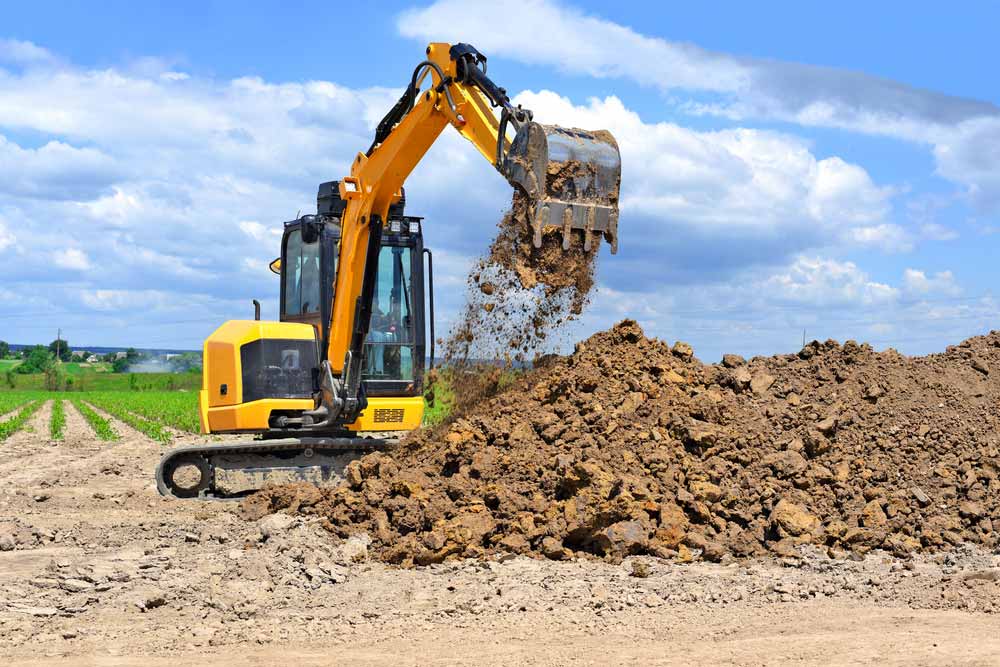
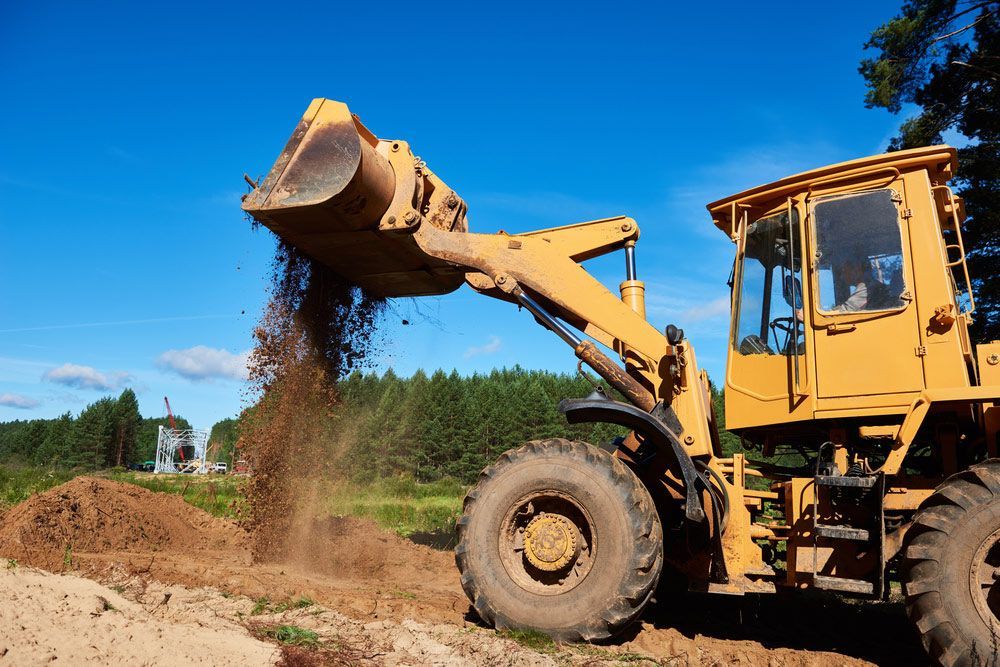
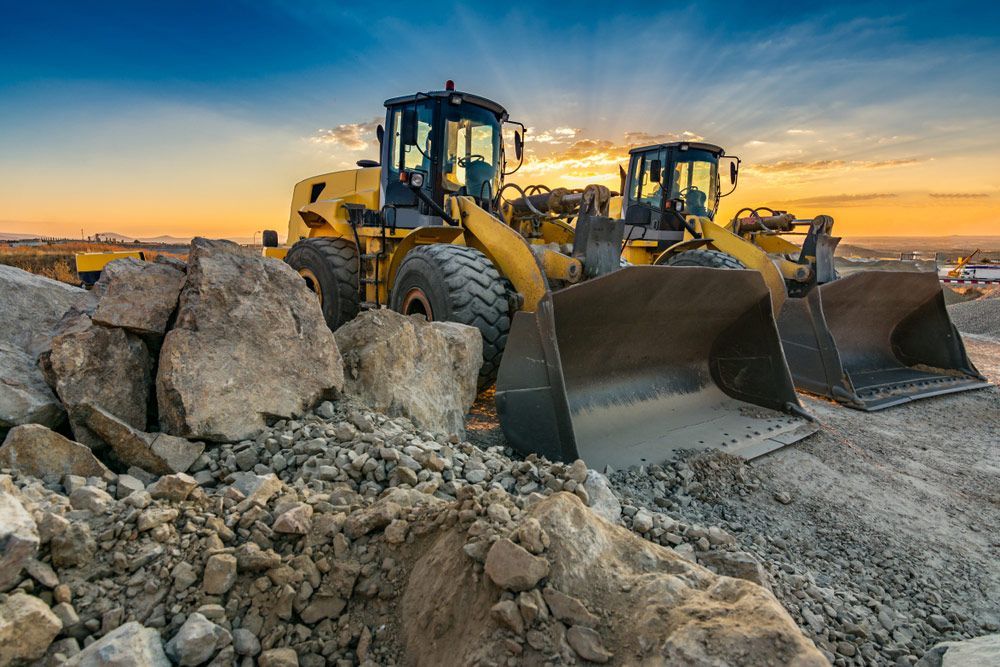
Different soils require different machinery to keep an excavation project moving safely and efficiently. Clay may need heavier machinery with strong digging power. Sandy soil benefits from equipment that distributes weight evenly. Mixed profiles often require a combination of machines to handle varied layers.
Choosing machinery based on soil type strengthens planning and helps maintain control across all stages of earthworks.
Important considerations include:
- Clay requires high power digging capacity
- Sandy soil responds well to stable, wide footprint machinery
- Mixed sites may require multiple machines throughout the project
- Attachments may change as soil structure shifts
- Efficiency improves when equipment matches site conditions
Plan Your Earthworks Project With Soil Conditions in Mind
We at Rayment Excavations complete earthworks and earthmoving services designed for the conditions found across Gladstone. Visit www.raymentexcavations.com.au to arrange a quote or discuss your project. Our experience with the region’s soil types, weather patterns, and challenging environmental conditions helps support smoother site preparation and informed project planning. Contact us to start your earthworks project with confidence.
Recent Posts