Excavator Hire Safety Checklist Before Starting Work
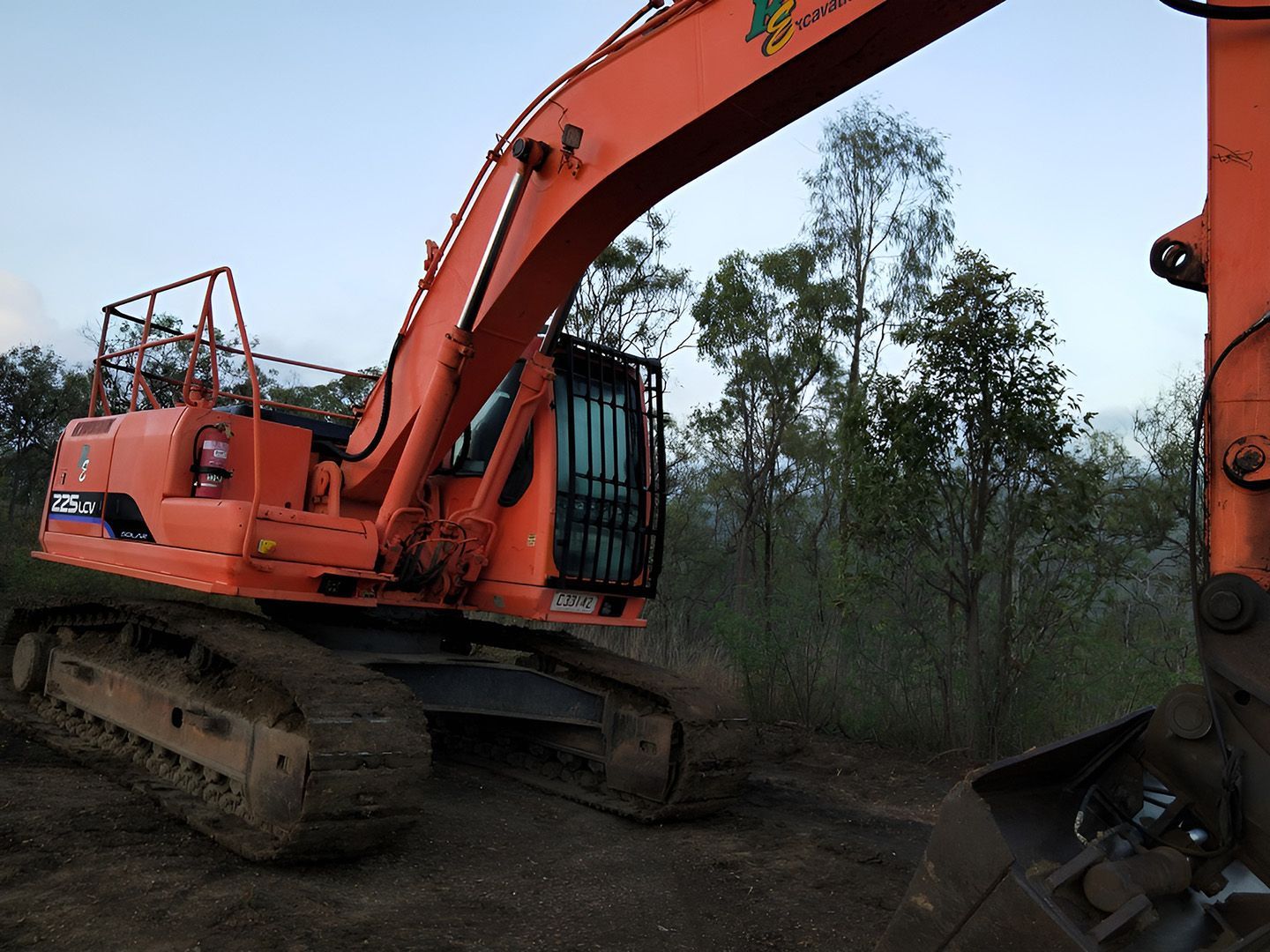
Hiring an excavator can make site work faster and more manageable, but the machine itself is only one part of a safe job. Before any digging begins, the operator, site conditions and surrounding hazards all need to be considered carefully.
A safety checklist helps reduce avoidable risks by turning important checks into a clear routine. From confirming underground services to inspecting attachments, each step helps protect the people, machinery and property involved.
For those organising excavator hire in Gladstone, safety planning should begin before the excavator arrives and continue until the job is complete.
Start with the right machine for the jobsite conditions.
The first safety decision is choosing an excavator suited to the work area. A machine that is too large may be difficult to manoeuvre in tight spaces, while a machine that is too small may not handle the required digging depth or material load.
Site access, soil type, working space and lifting requirements all influence machine selection. Attachments also matter, as buckets, augers and other tools must suit the task being performed.
Before confirming hire, it is worth discussing the project scope in detail. This helps match the excavator to the job and avoids forcing equipment to work outside its intended limits.
Check the machine over before anyone starts digging.
A pre-start inspection helps identify visible issues before the excavator is used. Even when a machine arrives ready for work, the operator should still complete basic checks.
Important items to review include:
- Fluid levels, leaks or warning lights
- Tracks, tyres or undercarriage condition
- Attachment pins and locking mechanisms
- Hydraulic hoses and visible wear
- Mirrors, lights, controls and safety decals
If something looks damaged or unclear, work should pause until it is checked. These early steps can prevent breakdowns, unsafe operation and unnecessary delays once excavation begins.
Identify underground services before the bucket hits the ground.
Underground services are one of the most important hazards to address before excavation starts. Water pipes, electrical cables, gas lines and telecommunications infrastructure may be located beneath the work area.
Before digging, site plans should be reviewed and service locations confirmed where possible. If there is uncertainty, further locating work may be needed before machinery is used.
Striking an underground service can create safety risks, service interruptions and costly repairs. Taking time to confirm what sits below the surface is a practical step that should never be skipped.
Keep people and vehicles clear of the operating area.
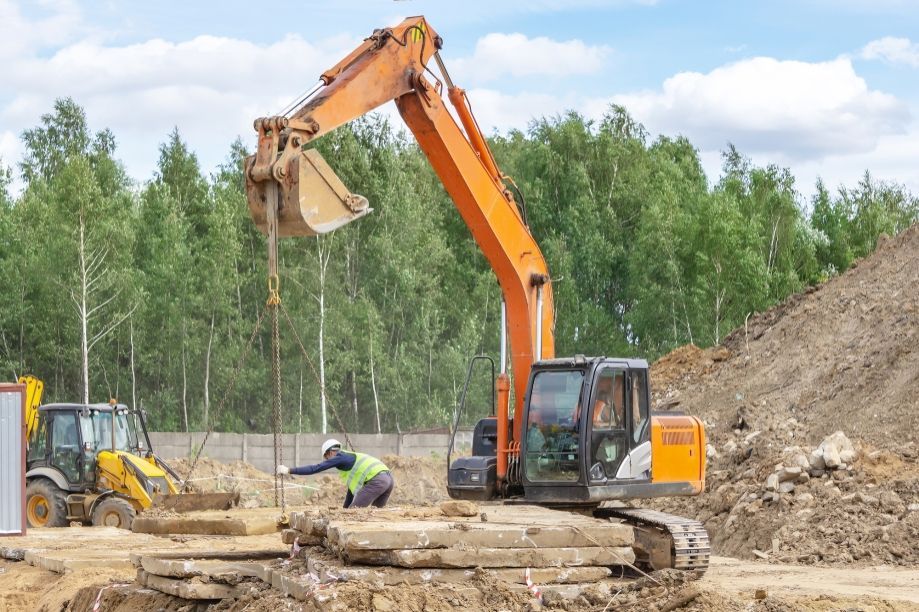
Excavators have blind spots and moving parts that can create hazards for people nearby. Clear boundaries help separate the operating zone from workers, vehicles and pedestrians.
A safe work area may involve:
- Marked exclusion zones around the machine
- A spotter where visibility is limited
- Clear communication between workers
- Traffic control for shared access areas
- Restricted entry for unauthorised people
The area should remain controlled while the excavator is operating. Even short movements can create risk if people walk too close to the machine or enter the swing radius unexpectedly.
Ground conditions can change how safely an excavator operates.
The surface beneath an excavator directly affects stability. Wet, loose or uneven ground can increase the risk of slipping, sinking or tipping, particularly when working near trenches or slopes.
Before starting, the operator should assess whether the ground can support the machine and the planned movement. Soft areas may need to be avoided, compacted or managed with suitable access methods.
Weather can also change site conditions quickly. Rain, runoff or shifting soil may affect areas that seemed stable earlier in the day. Rechecking conditions throughout the job helps keep the worksite safer.
Use attachments only for the tasks they are designed to handle.
Excavator attachments are designed for specific tasks. Using the wrong attachment or forcing it beyond its intended purpose can damage the machine and create safety risks.
Attachment safety checks may include:
- Confirming the attachment suits the job
- Checking pins, locks and hydraulic connections
- Avoiding makeshift lifting or pulling methods
- Following load and use limitations
- Stopping work if the attachment shifts or behaves unusually
Buckets, augers and other tools should be used as intended. If the task changes, the attachment may also need to change.
Know when operator experience matters most.
Some projects are straightforward, while others require a higher level of operating knowledge. Tight access, sloped ground, nearby structures or deeper excavation can all make the job more complex.
In these situations, wet hire may be more suitable than dry hire. Having an operator familiar with machine handling and site safety can help manage risks more effectively.
When arranging excavator hire in Gladstone, it is useful to be honest about the site and the task. This helps determine whether the project needs machine hire alone or operator support as well.
Finish with a shut-down and site check before leaving the machine.
Safety does not end when the digging stops. A proper shut-down routine helps secure the machine and leave the site in a safer condition.
End-of-day checks may include:
- Parking the excavator on stable, level ground
- Lowering attachments to the ground
- Switching off the machine and securing keys
- Checking for leaks or new damage
- Making sure trenches or hazards are marked
The site should also be reviewed before workers leave. Open excavations, loose material and access paths should be managed so the area remains controlled after machinery stops operating.
Excavation work around Gladstone can involve changing ground conditions, tight access, construction activity and heavy machinery moving through shared spaces. Careful planning and the right equipment can make a significant difference before work begins.
Here at Rayment Excavations, we assist with projects requiring excavator hire in Gladstone and can help you select machinery suited to your site requirements. To discuss your upcoming excavation work or learn more about hire options, reach out to our friendly team today.
Recent Posts