What Attachments Come With Excavator Hire in Gladstone?
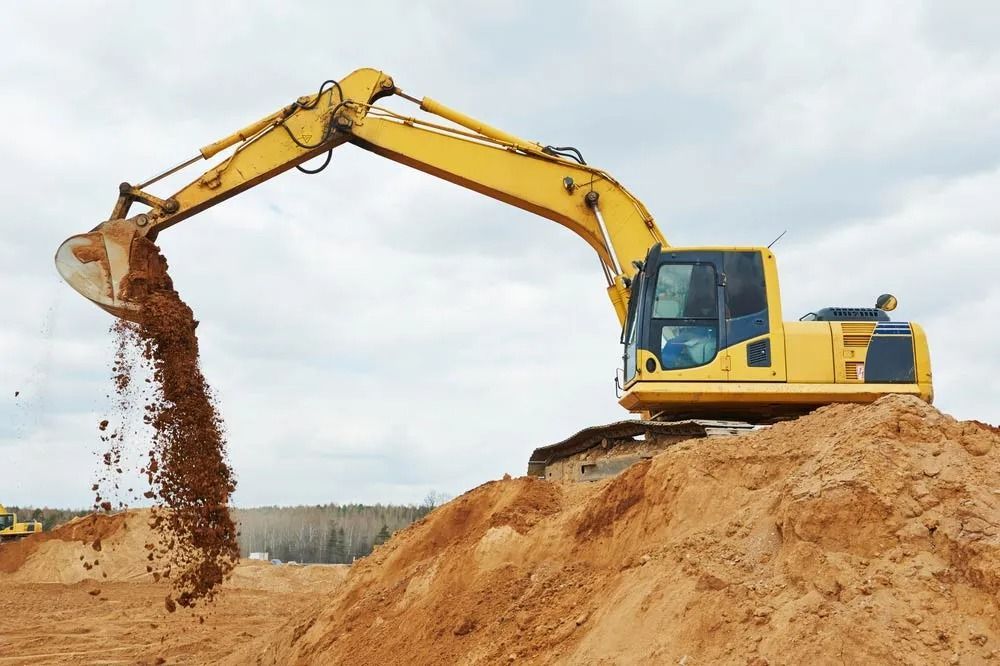
Most excavator hire in Gladstone includes a standard digging bucket as part of the base rate, but attachments like rock buckets, mud buckets, augers and grapples are usually quoted separately based on your project. Knowing what's included before you book saves you from surprise costs and delays on site.
If you're comparing excavator hire providers, the attachment question matters more than most people realise. The wrong bucket for the ground conditions can slow a job down by hours. Getting this sorted at the quoting stage – not on the day the machine turns up – is what separates a smooth job from a frustrating one.
Common Excavator Attachments & What They're Used For
Every excavator hire starts with a general-purpose digging bucket, but Gladstone's mix of soil types, rock and clay means a single bucket rarely covers a whole project. Here's what the common attachments actually do:
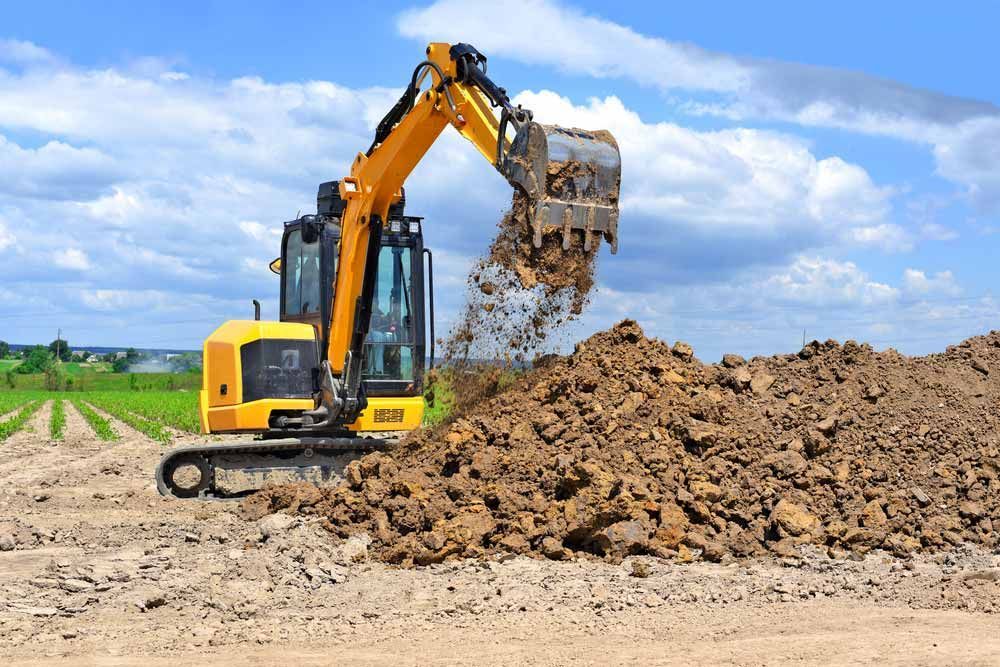
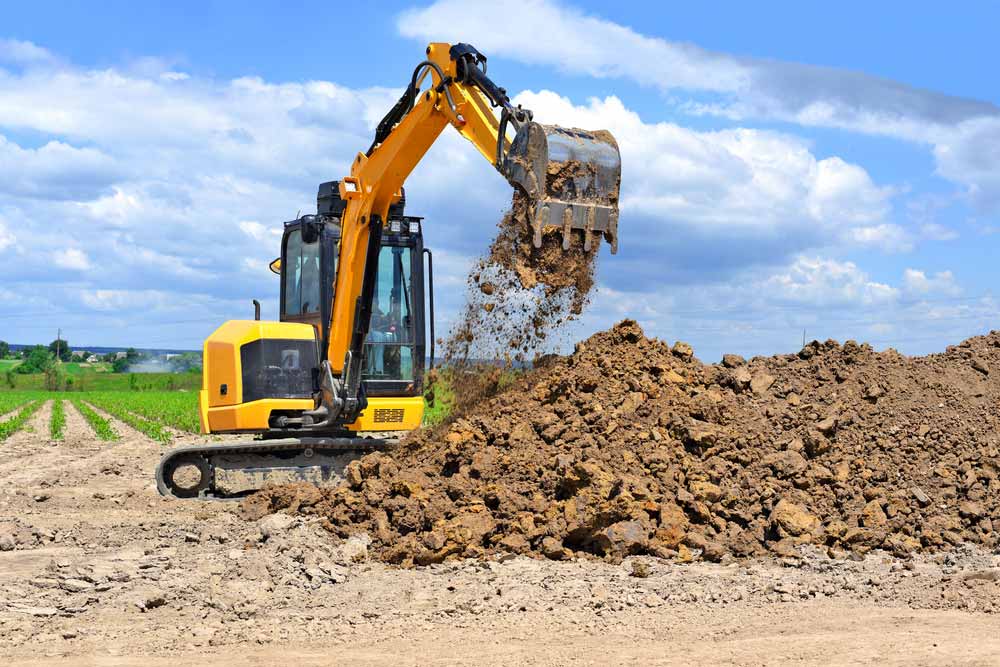
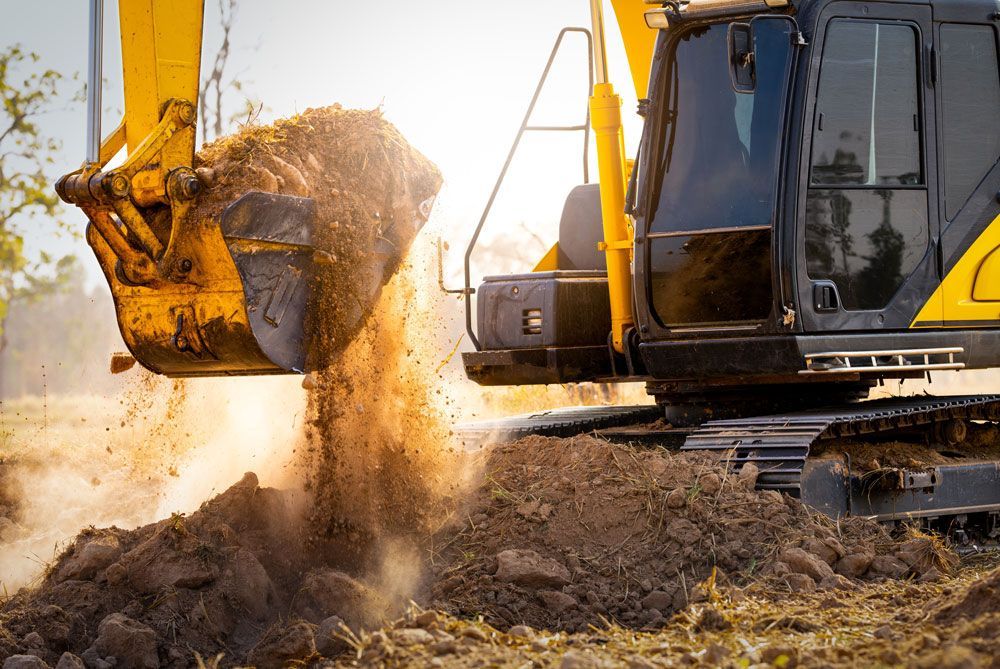
- Standard/mud buckets handle general digging and loose or wet material – the default choice for site clearing, footings and general earthworks.
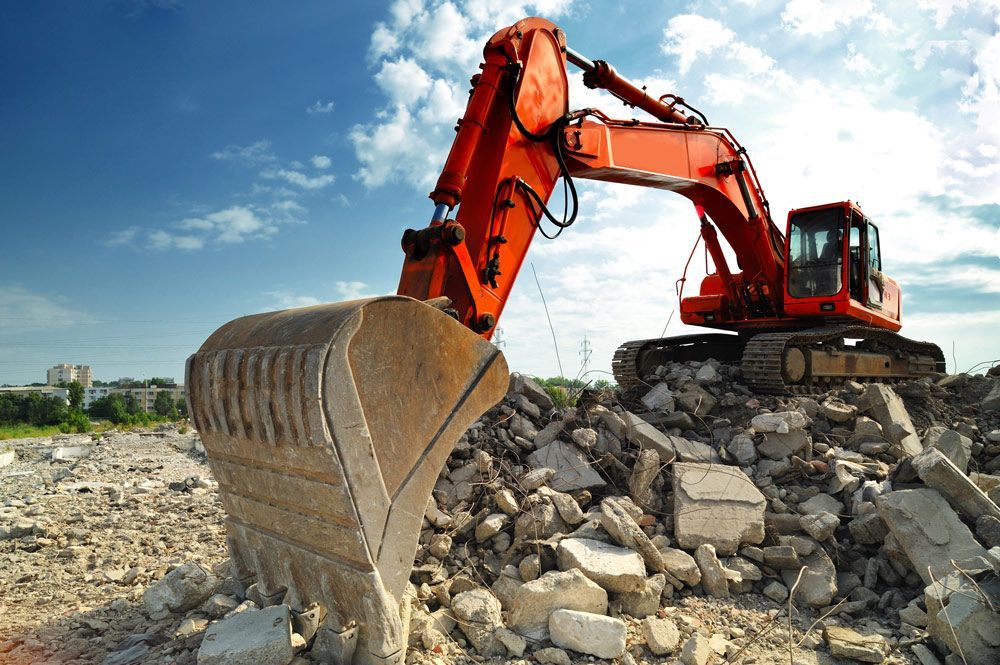
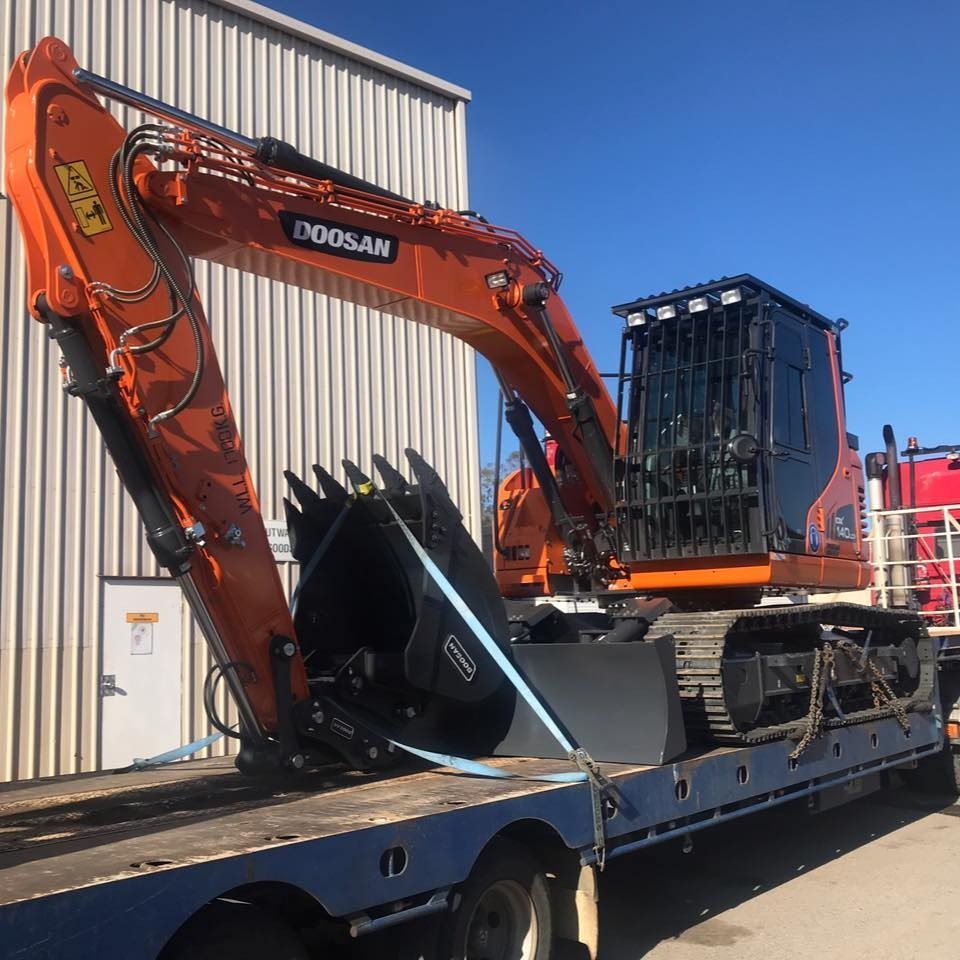
- Rock buckets are heavier, reinforced buckets with stronger teeth, built for breaking into rocky or compacted ground where a standard bucket would struggle or wear out fast.
- Trenching buckets are narrower, letting the machine cut clean, consistent trenches for pipes, drainage or cabling without over-digging the width.
- Auger attachments turn the excavator into a precision drill, boring holes for fence posts, stumps, footings or tree planting – far faster than manual digging.
- Grapple attachments use hydraulic claws to grip and move irregular material like logs, rocks or demolition debris that a bucket can't hold securely.
- Rippers are single-tooth attachments used to break up hard or compacted ground before the bucket goes in, particularly useful where rock sits close to the surface.
Which of these you actually need depends on the job. A residential pool excavation might only need a mud bucket and a rock bucket on standby, while a rural fencing project could be built entirely around an auger.
Example: a Gladstone builder digging footings on a site with patchy rock underneath might start with a standard bucket, switch to a rock bucket when they hit harder ground, then bring in a trenching bucket for the stormwater line – all in the same day, on the same machine.
Does Excavator Hire Include Attachments, or Do They Cost Extra?
This is where hire agreements vary the most, and it's worth asking directly rather than assuming. Generally, the base digging bucket is included in the hire rate as standard. Specialty attachments – rock buckets, augers, grapples, rippers – are typically quoted as add-ons, priced either as a flat daily fee or bundled into the overall project quote.
Wet hire (where the machine comes with an operator) often includes attachment recommendations as part of the service, since the operator can advise which tool suits the ground conditions on the day. Dry hire (machine only, no operator) usually means you're selecting and requesting attachments yourself upfront, so you need a clearer idea of what the job requires before the machine arrives.
The safest approach is to describe your project in detail when you request a quote – ground conditions, what you're digging for, and any known obstacles like rock or old infrastructure. A good provider will tell you which attachments are included and which are extra before the day of hire, not after.
How Attachment Changes Work During Your Hire
Modern excavators use a quick coupler system, which lets an operator swap attachments in minutes without needing tools or a workshop visit. This matters more than it sounds – a job that needs three different buckets across the day doesn't mean three separate machine deliveries.
For wet hire, this is handled by the operator on-site, who will typically carry a small range of attachments in the support vehicle or arrange for additional ones to be delivered if the ground conditions change unexpectedly. For dry hire, attachment swaps depend on what you've arranged in advance. If you didn't request an auger and discover you need one halfway through the day, you're waiting on a delivery.
This is a good reason to over-communicate at the booking stage rather than under-communicate. If there's any chance the ground will throw up something unexpected – old concrete, buried rock, unmarked services – flagging it early means the right attachments are already accounted for.
Choosing the Right Attachment for Your Gladstone Project
Gladstone's ground conditions vary significantly across the region, from softer coastal soils to rockier inland sites, which is exactly why attachment choice isn't one-size-fits-all. A few practical starting points:
- Residential landscaping or pool digs – a standard bucket usually covers most of the job, with a rock bucket on standby if the site has known rocky patches.
- Drainage, plumbing or cabling work – a trenching bucket keeps the cut narrow and controlled, reducing reinstatement work afterwards.
- Fencing or post work – an auger attachment turns a multi-day manual job into an afternoon task.
- Demolition or land clearing – a grapple attachment handles debris and vegetation that a bucket can't grip cleanly.
If you're not sure which attachment suits your project, the most useful thing you can do is describe the ground conditions and end goal to whoever you're getting a quote from, rather than guessing at equipment names yourself. According to industry best practice, an experienced operator can usually tell from a short site description which attachment will get the job done fastest and with the least wear on the machine.
Takeaway: the attachment conversation should happen at the quoting stage, not on the day. Ask what's included in the base hire rate, what counts as an extra, and whether the provider can swap attachments mid-job if conditions change. That one conversation prevents most of the delays and cost surprises that come with excavator hire in Gladstone.
To learn more,
get in touch with
Rayment Excavations today!
FAQs
Recent Posts