Excavator Hire Gladstone: What Does It Actually Cost In 2026?
If you're asking how much does it cost to hire an excavator in Gladstone in 2026, there isn't one accurate rate for every job. Your excavator hire cost depends on machine size, wet or dry hire, hire duration, transport, attachments and site conditions.
Because no verified 2026 rates have been supplied, quoting a dollar figure could give you the wrong expectation. Instead, here's what actually determines the price and what to compare before booking.
What Determines the Cost of Excavator Hire?
According to industry best practice, excavator pricing should reflect the equipment and resources required to complete the work efficiently.
The main cost factors include:
- excavator size and type
- wet or dry hire
- hire duration
- transport to and from site
- attachments required
- access and ground conditions
- the type and volume of excavation
Transport is easy to overlook. Even if you only need an excavator for a short job, the machine still needs to reach the site and be collected afterwards.
Access can also determine which machine you can use. A larger excavator might move more material, but that advantage disappears if narrow access prevents it from reaching the work area.
Attachments can affect the quote as well. Straightforward excavation using a standard bucket has different equipment requirements from work needing a specialised attachment. That's why comparing excavator hire prices by day rate alone can be misleading. What matters is the cost of getting the right equipment onsite to complete your particular job efficiently.
Wet Hire vs Dry Hire: How Pricing Differs
Wet hire generally means hiring an excavator with an operator. Dry hire means hiring the machine without one.
A dry-hire rate may look lower because an operator isn't included. For builders or contractors who already have an appropriate operator available, that arrangement may suit the project.
Wet hire incorporates an operator into the service. It can be a practical choice for customers who need both the equipment and someone experienced in operating it.
Neither option is automatically better value.
Example: imagine one supplier quotes dry hire while another provides wet hire. The first figure looks cheaper, but you'll still need to account for operating the machine. Comparing the headline prices alone doesn't show the true difference.
Before booking, check exactly what's included. Our guide to
wet hire vs dry hire explains the two arrangements in more detail.
Daily, Weekly and Monthly Rate Breaks
Hire duration can change how the price is structured. A one-day booking isn't necessarily priced in the same way as an excavator required for a week or longer. Depending on the machine and hire arrangement, longer bookings may use weekly or extended-hire rates rather than simply multiplying the daily price.
However, a lower average rate doesn't automatically make a longer booking cheaper overall.
The important factor is productive machine time. If the excavator sits idle because another trade hasn't finished, access isn't ready or the project is delayed, you're paying for equipment that isn't working. Builders and developers can reduce this risk by considering project sequencing before the machine arrives. Make sure the site is ready and the excavation can proceed as planned.
For smaller jobs, estimate the required time realistically. Booking too little time can create problems if you need to extend the hire unexpectedly.
When asking for a quote, provide your expected hire period rather than requesting a day rate alone.
How Machine Size Changes the Day Rate
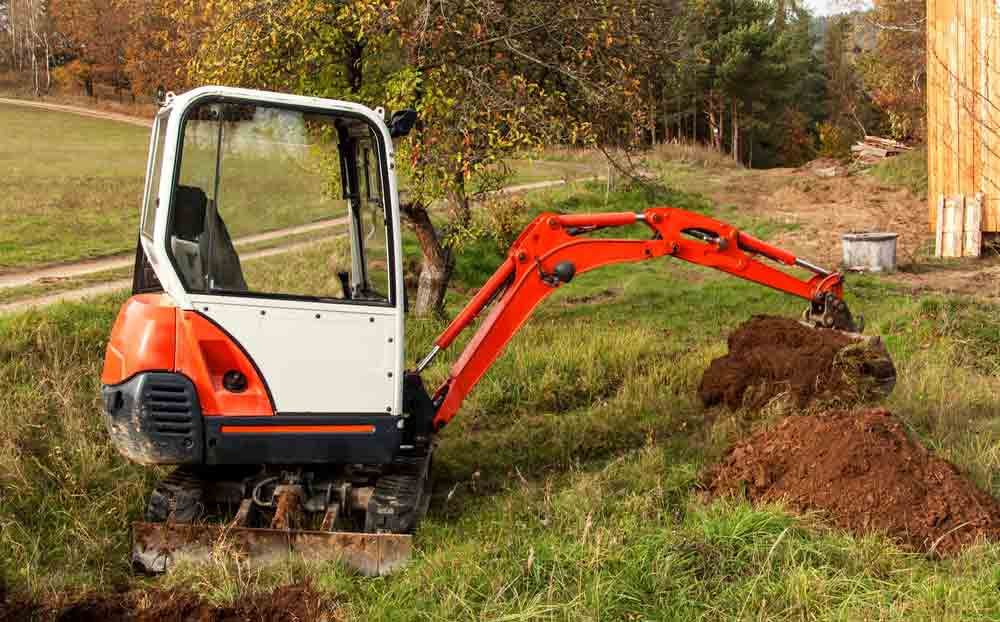
Machine size is one of the biggest influences on excavator hire cost, but smaller doesn't always mean cheaper overall. Mini excavators can suit confined spaces, lighter work and sites where larger machinery cannot practically operate. Larger excavators provide greater digging and material-moving capability for more substantial earthworks.
The key consideration is productivity. A mini excavator may have a lower hire rate but take longer on work better suited to a larger machine. Conversely, hiring a large excavator makes little sense if access is restricted or the project only requires precise, small-scale excavation.
Consider two Gladstone projects. A property owner needs excavation beside an existing building with limited access, while a developer needs to move a substantial amount of material across an open site. The same excavator is unlikely to be the most efficient choice for both. That's why mini excavator hire cost should always be considered alongside what the machine can accomplish.
Our guide to
mini and large excavator hire explains how machine size affects suitability. If you're unsure which size you need, describe the work when requesting a quote instead of choosing solely by price.
What to Expect for Small vs Large Jobs Across Gladstone
Small and large excavation jobs often have different cost structures. For a short job, transport can represent a more noticeable part of the overall cost because the excavator still needs to be delivered and collected. Smaller projects might include trenching, property preparation or other defined excavation work.
Larger projects can require bigger equipment, longer hire periods and sustained excavation. For builders and developers, the machine may also need to fit into a broader construction schedule.
Site conditions matter at either scale. An open site with straightforward access gives you different options from a property where fences, buildings or other obstacles restrict machinery. The amount of material being moved is therefore only one part of choosing the right excavator.
When enquiring about
excavator hire Gladstone, provide the location, access conditions, type of work and expected duration. You don't necessarily need to know the machine size yourself. Explaining what you need to achieve can help identify a suitable option.
Getting an Accurate Quote for Your Project
The most reliable answer to how much does it cost to hire an excavator in 2026 is a current quote based on your project.
Before requesting one, have these details ready:
- Location: Where will the excavator be working?
- Work required: What needs to be dug, cleared or moved?
- Access: Are gates, fences or buildings restricting the work area?
- Machine size: Do you know what you need, or do you need guidance?
- Hire type: Do you require wet or dry hire?
- Duration: How long do you expect to need the machine?
- Attachments: Does the work require specialised equipment?
- Timing: When do you need the excavator onsite?
When comparing quotes, check the inclusions. A machine-only quote shouldn't be compared directly with one that includes an operator, transport or additional equipment. The lowest day rate isn't necessarily the lowest project cost either. An undersized machine can take longer, while an oversized excavator may add unnecessary capability or be unsuitable for the available access.
Rayment Excavations can help builders, developers and property owners match equipment to their Gladstone project. To establish your actual 2026 excavator hire cost,
get a free quote based on the site, timeframe and work required.
FAQs
Recent Posts